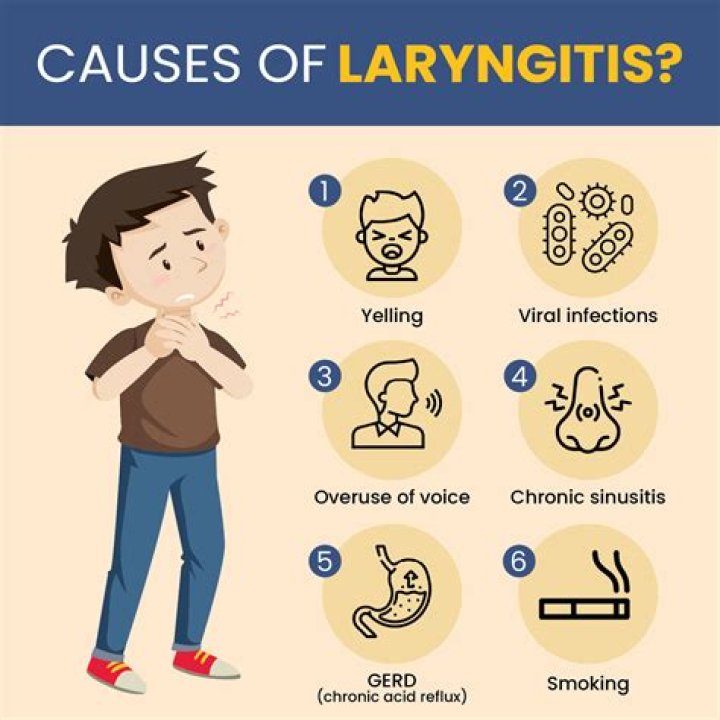
Laryngitis signs and symptoms can include: Hoarseness. Weak voice or voice loss. Tickling sensation and rawness in your throat.
Does laryngitis make you tired?
Loss of voice can accompany many conditions that affect the throat such as viral sore throat, laryngitis, or mononucleosis. All of these conditions can be associated with fatigue as well. Fatigue is a nonspecific symptom that can be present along with almost any type of illness.
Do you need to rest with laryngitis?
Rest your voice When you have laryngitis, your vocal cords are swollen and irritated. They need time to heal. Try to avoid situations that require a lot of talking or shouting.
Are you ill with laryngitis?
The hoarse voice and difficulty speaking usually get worse each day you’re ill. This may last for up to a week after the other symptoms have gone. Laryngitis is often linked to another illness, such as a cold, flu, throat infection (pharyngitis) or tonsillitis, so you might also have other symptoms such as: a headache.Is laryngitis contagious without a fever?
Is Laryngitis Contagious? The viruses that laryngitis comes from aren’t that contagious. The time laryngitis is most contagious is during the time frame when you have a fever. Bacterial and fungal infection-causing laryngitis is potentially contagious, but these occur less frequently.
Can laryngitis cause fever?
Additional signs and symptoms of laryngitis in adults may include dry, sore throat, pain with swallowing, and a feeling of fullness in the throat or neck. If the laryngitis is caused by an infection, the affected person also may have symptoms of fever, swollen lymph nodes (swollen glands).
How long will laryngitis last?
Laryngitis is inflammation of the larynx (voice box). In most cases, it gets better without treatment in about a week. Symptoms of laryngitis can begin suddenly and usually get worse over a period of two to three days.
How do I know if I have laryngitis bacterial or viral?
Visible swelling in the throat. Viral sore throats will often be red and swollen at the back of the mouth, but there shouldn’t be red and white specks like there would be with a bacterial infection. Runny nose. Viral sore throats often accompany other common cold symptoms, especially runny noses and hoarseness.Do you take antibiotics for laryngitis?
Medications used in some cases include: Antibiotics. In almost all cases of laryngitis, an antibiotic won’t do any good because the cause is usually viral. But if you have a bacterial infection, your doctor may recommend an antibiotic.
Can laryngitis last for months?Chronic laryngitis can sometimes persist for months or more if you don’t treat the underlying cause. This type isn’t usually contagious, but untreated chronic laryngitis can result in the growth of nodules or polyps on your vocal cords. These can make it harder to speak or sing and can sometimes become cancerous.
Article first time published onHow do they test for laryngitis?
Laryngitis is diagnosed by examination of the larynx. The laryngeal examination may include a mirror examination or specialized magnified viewing of the voice box (rigid laryngoscopy or laryngeal stroboscopy). (For more information, see Laryngoscopy /Stroboscopy.)
How long does it take laryngitis to spread?
Symptoms usually appear suddenly and worsen after around three days. After around three weeks, with appropriate treatment including drinking plenty of water and resting the larynx, symptoms such as a cough and hoarse voice usually relieve.
Why is my laryngitis not going away?
When laryngitis lasts longer than a few weeks, it’s considered chronic. This may be due to ongoing infection, smoking, allergies, other irritants, persistent vocal strain or reflux. Certain medications also can affect your voice.
Is Honey Good for laryngitis?
Home remedies like salt water gargles and tea with honey are mostly harmless, although there’s no evidence they work for fixing laryngitis. If you have a sore throat, they might temporarily alleviate some of this pain. But they definitely won’t reduce the roughness, hoarseness or “breathiness” of your voice.
Can pharyngitis become laryngitis?
Pharyngitis and laryngitis Laryngitis is a condition where the larynx, or voice box, becomes inflamed due to overuse or a viral infection. The most common cause is a viral infection of the upper respiratory tract; bacterial laryngitis is rare. It is often found in conjunction with a sore throat, or pharyngitis.
What kind of virus causes laryngitis?
Viral laryngitis. This type is caused by a virus, such as the common cold. This is the most common infectious cause of laryngitis, but it’s the least contagious. It usually goes away in a week or two without treatment. With this type, you’re most contagious when you have a fever.
Does stress cause laryngitis?
Can hoarseness be caused by stress? Yes, stress (mental/emotional) is one of the more common causes of hoarseness.
How long does it take for inflamed vocal cords to heal?
Laryngitis is when your voice box (larynx) or vocal cords become inflamed from infection, irritation, or being overused. This inflammation can change the way your vocal cords vibrate, causing changes to your voice. Most cases of laryngitis go away by themselves in less than two weeks.
What medication should I take for laryngitis?
- Corticosteroids. If your need to speak clearly is urgent, a doctor may prescribe corticosteroids. …
- Antibiotics. If you have a bacterial infection, you may be given antibiotics. …
- Pain medications. If you’re in pain, you can take acetaminophen or ibuprofen. …
- Voice therapy.
Does laryngitis cause ear pain?
These symptoms can be present with upper respiratory infections such as laryngitis, Strep throat, or tonsillitis. Other medical conditions can also cause these symptoms.