Artichoke seeds can be started in February in a greenhouse or under a fluorescent light, planted about 1/4-inch deep in 4-inch containers. Artichokes are known as tap-rooted plants, which means their roots grow deep, even as seedlings. Be sure to plant the seeds in a deep container.
Where are artichokes grown?
Can I Grow Artichokes? Artichokes are best grown in damp weather, with cool summer temperatures and mild winters. They are grown commercially in coastal areas of Northern California. Artichokes are perennials that can survive for up to 6 years in mild-winter areas.
Do artichoke plants come back?
Artichoke plants will go dormant in hot weather. When temperatures cool off in late summer and fall, the plants will start growing again and you may get a second harvest. In cooler regions, after the fall harvest, cut the plants back to about 6 inches and cover the crowns of the plant with leaves.
How many artichokes do you get from one plant?
A healthy plant should produce six to nine buds per plant. The main harvest usually occurs in April and May. Select buds for their size, compactness and age. All buds of suitable size should be harvested by cutting the stem 2 to 3 inches below the base of the bud.Can artichokes be grown in pots?
If you want to plant your artichokes in pots, choose a pot at least two feet wide. Planting in pots is especially useful if your winters get too cold and you need to bring the plants indoors. Dig holes. Dig a hole for each artichoke plant, spaced at least four feet apart.
What part of the artichoke is poisonous?
The remaining parts of the artichoke, the outer portion of the leaves, the hairy stuff at the bottom (called the choke), and the stem, should never, under any circumstances, be eaten. No parts of the vegetable are poisonous, but attempting to eat an entire artichoke can have serious consequences.
Is it hard to grow artichokes?
With long, silvery leaves and strikingly attractive blooms, the artichoke is a unique addition to your vegetable garden. Growing artichokes isn’t difficult, and with the proper planting, watering and pruning, you can enjoy a bountiful harvest of edible chokes.
Who figured out how do you eat an artichoke?
In 77 A.D., the Roman naturalist Caius Plinius Secundus, called Pliny the Elder (23–79 A.D.), called the choke “one of the earth’s monstrosities.” Evidently he and his colleagues continued to enjoy eating them.Why is artichoke bad for you?
RawCooked (boiled)Protein4.2 grams3.5 gramsFat0.2 grams0.4 gramsVitamin C25% of the RDI15% of the RDIVitamin K24% of the RDI22% of the RDI
Do artichokes need full sun?Artichokes thrive in full sun to partial shade. They also need light, fertile, well-drained soil—sandy or loam is ideal. Two reasons artichoke plants fail are summer drought and winter soil that’s waterlogged. Adding compost will improve the soil’s ability to retain water in summer and to drain in winter.
Article first time published onWhat is artichoke season?
They’re at their peak from March through May, so now is the perfect time to steam some fresh artichokes. With just a little prep work, you’ll be on your way to artichoke heaven! … Artichokes can be stuffed, baked or braised. You can add them to dips and sauces.
Are artichokes cold hardy?
With proper artichoke winter care, this perennial is hardy to USDA zone 6 and occasionally zone 5 during mild winters. Overwintering artichoke plants isn’t difficult; it simply takes a little knowledge and planning.
How many years will an artichoke produce?
You can still harvest them at will, but the stately plants and textural leaves will add visual interest throughout the season. Artichoke plants should produce for about three to five years and will develop side shoots at their bases. At this time, you can lift, divide, and replant the new shoots.
Can you grow an artichoke plant from an artichoke?
Modern-day gardeners wishing to cultivate artichokes in other climates can do so by planting artichoke from seeds and growing them as annuals. Rooting artichoke cuttings is another method of artichoke plant propagation and is used in areas where they can be grown as perennials.
Do artichokes dieback in winter?
Artichokes go dormant in hot weather, but their main dormancy is in winter when they die back to the ground. Artichokes require protection from severe, prolonged frost.
Can I grow artichokes in a 5 gallon bucket?
A large container can accommodate enough space for the plants to grow. … An artichoke plant can grow about 30 to 50 artichokes in a growing season. Grown one plant in a container, even you use a large container, grow only one plant in a container. The container you select should be able to hold 2 to 3 gallons of soil.
Can I grow artichokes indoors?
Artichokes (Cynara scolymus) are grown for their edible flower buds. They can be annual or perennial plants, depending on the variety. In warm Mediterranean climates, they are grown outdoors year-round and harvested in the spring. They can be grown indoors, however, if you have the space.
Are artichokes self pollinating?
For the Globe Artichoke, pollination is brought on by insects or other vectors of movement. … Clearly, the artichoke is not picky about the help it requires. Although C. scolymus is self-compatible, it is not able to reproduce viably via self-fertilization.
Can you eat an artichoke after it flowers?
Artichokes are an easy and satisfying edible crop. The bud, or immature flower, is the part of the artichoke that is harvested. The edible portions of the bud are the tender bases of the leaves (bracts), and the fleshy base upon which the flowers are borne (heart).
Is it safe to eat raw artichokes?
You can use raw artichoke hearts in all sorts of ways and enjoy the outer leaves raw by removing and eating one leaf at a time, exactly as you would approach eating a steamed or boiled whole artichoke. … Artichokes are most commonly enjoyed in their raw form as part of a salad when they aren’t simply consumed alone.
What is the hairy part of an artichoke?
When you get to the heart of the artichoke, you will notice the fuzzy hair layer referred to as the “choke”. This part of the artichoke is not edible. Remove the choke by using a spoon to scoop it out.
Can dogs eat artichoke?
Artichokes are healthy for dogs and contain vitamin C, folic acid, potassium, niacin, and lots of antioxidants. These vitamins and minerals help prevent illness and support your dog’s immune system, muscles, metabolism, and more.
Why do Artichokes make you fart?
A. Jerusalem artichokes (Helianthus tuberosus) do indeed have a gassy reputation. The sweetness comes from high levels of inulin, a soluble fibre that passes intact through the digestive system until it reaches the colon, where gut bacteria break it down then release gas.
Is Artichoke good for kidneys?
Artichoke is used to stimulate the flow of bile from the liver, and this is thought to help reduce the symptoms of heartburn and alcohol “hangover.” Artichoke is also used for high cholesterol, irritable bowel syndrome (IBS), kidney problems, anemia, fluid retention (edema), arthritis, bladder infections, and liver …
Is Artichoke good for the liver?
Liver Health A few small studies have shown that artichoke can improve liver function for people with nonalcoholic fatty liver disease. Though there’s no data yet about its effect on alcoholic fatty liver disease, there’s evidence that artichoke leaf extract can contribute to overall liver health.
Which state is artichoke capital of the world?
One of the region’s most distinctive crops is the artichoke, particularly around the rural town of Castroville, 19 miles northeast of Monterey. The town, nicknamed “the Artichoke Capital of the World,” is home to Ocean Mist Farms, a major producer of artichokes and other crops on farms dotting the length of California.
What animals eat artichoke plants?
Most animal will leave the prickly leaves alone but deer, rabbits, and mice/rats will eat them if hungry enough.
What does an artichoke taste like?
When eaten raw, artichokes retain a much firmer texture and a bitter taste. Cooking both softens the texture and produces a blender flavor making it similar to boiled potatoes. As for whether you’ll like artichokes or not – they have a similar taste to asparagus and brussels sprouts with a mild nutty flavor.
Is a Artichoke a seed?
Artichoke heads vary in the number of seeds they contain, so it’s a good idea to collect seeds from several heads. Once heads with flowers are completely dry, cut them from the plant. Extract seeds: Break open artichoke flower to access the seeds. … Dry: Allow seed to dry for several weeks in a cool and dry location.
How can you tell when an artichoke is ripe?
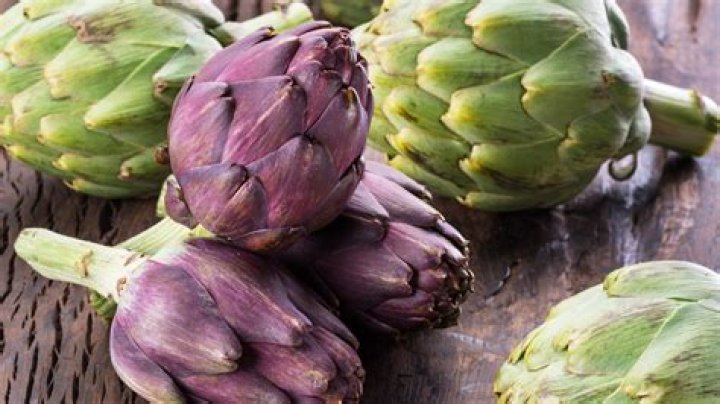
A ripe artichoke will be a dusty green color. You might notice a few slight brown splotches on the leaves, but that’s normal. However, you should avoid artichokes that have a purple hue, deep bruising, or brown soft spots. This usually means the artichoke is rotten and should be avoided.
Can you juice artichokes?
Artichokes are a nutritious vegetable related to the milk thistle. To get the health benefits from this vegetable, you can juice an artichoke whole and drink the juice. However, you can also just use the heart of the artichoke to make it a little easier on your juicer.